
How to Protect Christmas Lights from Snow, Wind and Ice in Ontario
By Matt, SantaMatt · Hamilton, ON
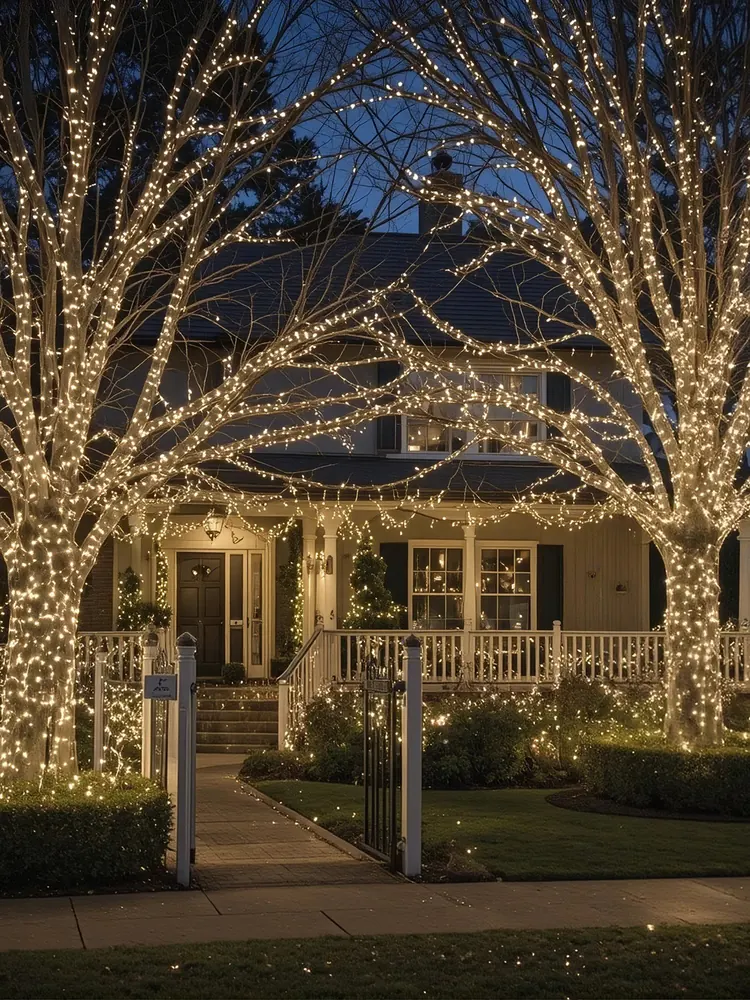
Ontario winters test outdoor lights: wet snow, freezing rain, strong winds and thaws that turn into ice overnight. A few simple steps keep your display bright from November to January.
Secure everything with proper clips
Loose strands are the first thing wind pulls down. Use clips made for shingles and gutters and attach lights at regular intervals, not just at the ends. Clips hold firmly without damaging the roof — never use nails or staples.
Keep connections off the ground
Plug connections are the weak point. Keep them raised off the ground and away from where snow piles up or water pools during a thaw. Point plugs downward so water runs off instead of into them.
Use outdoor-rated gear and GFCI outlets
Only outdoor-rated lights and extension cords should be used outside, plugged into a GFCI outlet that cuts power if moisture gets in. If the outlet trips after rain or melting snow, let things dry before resetting it. More in the safety guide.
Leave the ice alone
Don’t pull frozen strands off the roof or knock ice off bulbs — you can crack sockets or damage shingles. Most ice melts on its own within a day or two.
Check after big storms
After strong wind or a heavy snowfall, walk around the house and look for sagging sections, dark strands or tripped outlets. Catching a problem early keeps it small.
Let someone else deal with it
With a SantaMatt install, free fixes are included all season. If a storm knocks something loose, just send a photo on WhatsApp and I’ll typically be back within 48 hours. See Christmas light installation in Hamilton.
More guides
- How Much Does Christmas Light Installation Cost in Hamilton?
- When Should You Put Up Christmas Lights in Ontario?
- Are Christmas Lights Safe on Your Roof? A Safety Guide
- Professional vs DIY Christmas Light Installation: Is It Worth It?
- Warm White vs Multicolour Christmas Lights: Which Suits Your Home?
- C9 vs C7 vs Mini Lights: Choosing Christmas Lights for Your Roofline
- Do Christmas Lights Increase Your Hydro Bill? (Ontario Guide)
- 12 Outdoor Christmas Light Ideas for Ontario Homes
- How to Light Trees and Shrubs for Christmas
- Christmas Light Ideas for Bungalows and Townhomes
- Taking Down and Storing Christmas Lights: Tips for Next Year
- Is It Too Late to Put Up Christmas Lights? Late-Season Installs in Ontario
- How Long Does Professional Christmas Light Installation Take?
- Christmas Light Installation: A Thoughtful Gift for Parents and Seniors